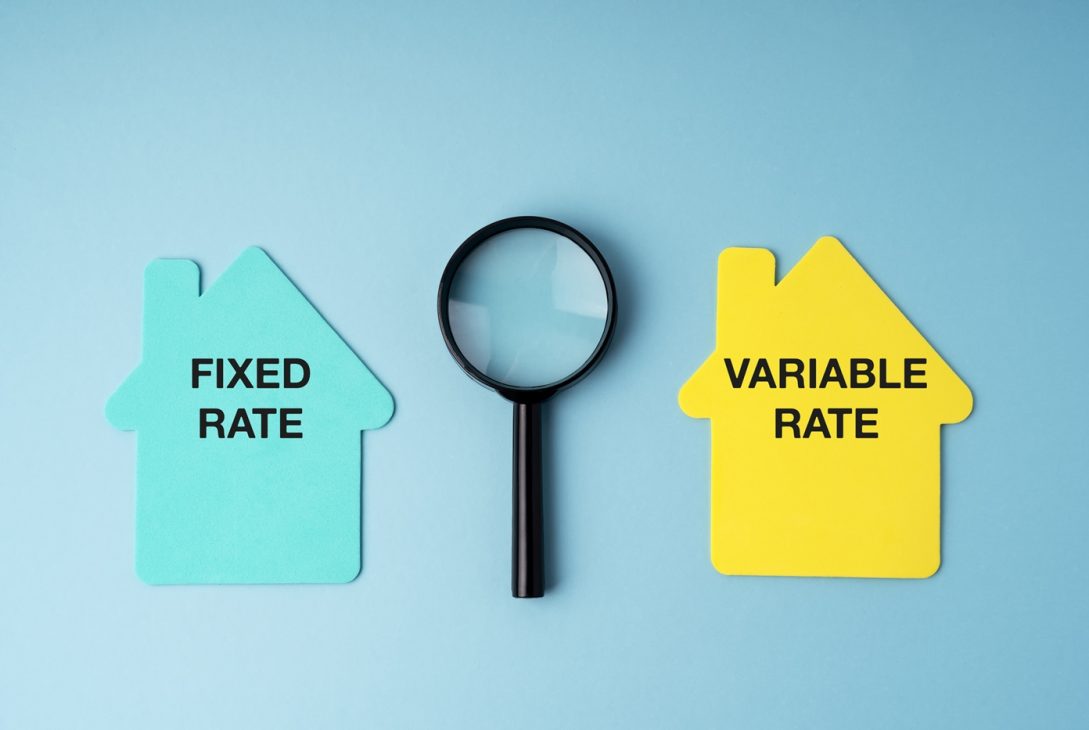
If you’re financing a home or looking to access the value you’ve built in one, you’ve probably come across both mortgages and home equity lines of credit (HELOCs). Although they both use your property as collateral, they serve very different purposes and work in different ways.
Understanding the home equity line of credit vs mortgage comparison is essential before borrowing. One helps you purchase a home, while the other allows you to borrow against the equity you’ve already built. Choosing the wrong option could result in unnecessary costs or borrowing more than you need.
Here’s what every homeowner and homebuyer should know before making a decision.
A Mortgage and a HELOC Serve Different Financial Goals
The biggest difference between a mortgage and a home equity line of credit is when and why you use them.
A mortgage is designed to help you purchase a property. You borrow money from a lender, make a down payment, and repay the loan over an agreed term through scheduled monthly payments.
A home equity line of credit (HELOC), on the other hand, becomes available after you’ve built equity in your home. Instead of receiving one lump sum, you’re approved for a revolving line of credit that you can borrow from whenever you need funds, up to an approved limit.
In simple terms:
- A mortgage helps you buy a home.
- A HELOC helps you access the value you’ve already built in that home.
This distinction is the foundation of understanding home equity line of credit vs mortgage loan options.
What Is Home Equity?
Before comparing the two products, it’s important to understand what home equity actually means.
Home equity is the difference between your home’s current market value and the amount you still owe on your mortgage.
For example:
- Home value: $900,000
- Remaining mortgage balance: $500,000
- Home equity: $400,000
As you make mortgage payments and your property’s value increases over time, your equity grows. A HELOC allows you to borrow against a portion of that available equity, subject to lender qualification requirements and Canadian lending guidelines.
How a Traditional Mortgage Works
A mortgage is typically the largest loan most Canadians will ever take on.
You receive the funds needed to purchase a property, then repay both principal and interest over time. Depending on the mortgage you choose, your interest rate may be fixed or variable, and you’ll select an amortization period and mortgage term that fit your financial goals.
A mortgage is generally the right solution if you are:
- Purchasing your first home
- Buying your next property
- Investing in real estate
- Renewing an existing mortgage
Finding the right mortgage isn’t only about securing the lowest rate. It’s also about choosing a lender, repayment structure, and mortgage features that match your future plans. Working with experienced professionals at Dove Mortgages gives you access to mortgage options from more than 30 lenders, helping you compare solutions instead of settling for a single offer.
How a Home Equity Line of Credit Works
Unlike a mortgage, a HELOC doesn’t provide all of the money upfront.
Instead, you’re approved for a revolving credit limit secured by your home’s equity. During the draw period, you can borrow money as needed, repay it, and borrow again, much like using a credit card, but typically with significantly lower interest rates.
Many homeowners use a HELOC for:
- Major home renovations
- Emergency expenses
- Investment opportunities
- Education costs
- Ongoing access to flexible financing
Because you’re only charged interest on the amount you’ve actually borrowed, a HELOC offers flexibility that a traditional mortgage cannot.
However, most HELOCs have variable interest rates, meaning your borrowing costs can increase if market rates rise.
Home Equity Line of Credit vs Mortgage Loan: The Key Differences
Although both products use your property as security, they differ in several important ways.
| Feature | Mortgage | Home Equity Line of Credit |
| Primary purpose | Purchase a property | Access existing home equity |
| Funds received | Lump sum | Borrow as needed |
| Repayment | Scheduled monthly payments | Flexible repayments during draw period |
| Interest rate | Fixed or variable | Usually variable |
| Loan structure | Installment loan | Revolving line of credit |
| Available before owning a home | Yes | No |
When evaluating home equity line of credit vs mortgage, understanding these differences helps you choose financing that aligns with your specific goals rather than simply selecting whichever product has the lowest advertised rate.
Which Option Offers More Flexibility?
If flexibility is your priority, a HELOC generally comes out ahead.
Because you borrow only what you need, you avoid paying interest on money sitting unused in your account. This makes a HELOC attractive for projects where costs occur over time, such as phased renovations or ongoing investment opportunities.
A mortgage, meanwhile, provides greater structure. Your payment schedule is fixed, making budgeting easier and helping many borrowers stay disciplined with repayment.
Neither approach is inherently better, the right choice depends on how you plan to use the funds.
Can You Refinance Instead of Opening a HELOC?
Many homeowners assume a HELOC is the only way to access home equity, but refinancing may also be worth considering.
With a mortgage refinance, you replace your existing mortgage with a new one that may allow you to access equity while potentially adjusting your mortgage rate, payment, or amortization period.
Refinancing may be an attractive option if you want to:
- Consolidate high-interest debt
- Fund major renovations
- Access equity as one lump sum
- Potentially lower your monthly payments
Depending on your financial goals, refinancing may provide a more suitable solution than opening a revolving line of credit. Dove Mortgages can help homeowners explore both options through the mortgage refinancing services to determine which approach offers the greatest long-term value.
What Are the Risks?
Because both products are secured by your home, responsible borrowing is essential.
Missing payments on either your mortgage or your HELOC could eventually put your property at risk.
There are also important differences to consider:
- Mortgage payments are predictable, making long-term budgeting easier.
- HELOC interest rates are usually variable, so borrowing costs can increase over time.
- Easy access to credit can make it tempting to borrow more than necessary.
- Refinancing or increasing your mortgage balance may extend your repayment period.
The goal isn’t simply qualifying for the largest amount available, it’s choosing financing that supports your long-term financial health.
How Do You Decide Which One Is Right?
The answer to home equity line of credit vs mortgage loan depends on what you’re trying to accomplish.
Choose a mortgage if your primary goal is purchasing a property or replacing your current mortgage through renewal or refinancing.
Consider a HELOC if you’ve already built significant equity and want flexible access to funds over time for projects or unexpected expenses.
If you’re unsure which option makes the most financial sense, comparing different borrowing scenarios is often the best place to start. A reliable mortgage calculator can help estimate monthly payments and show how different loan amounts, amortization periods, and interest rates affect your overall borrowing costs.
Choose the Financing That Matches Your Long-Term Goals
Comparing home equity line of credit vs mortgage isn’t about deciding which product is universally better. Each serves a different purpose, and the right choice depends on where you are in your homeownership journey.
A mortgage helps you purchase a property and build equity over time. A HELOC allows you to leverage that equity once you’ve accumulated it, offering flexible access to funds when needed. In some situations, refinancing may even provide a better solution than either option alone.
The best financing strategy considers far more than today’s interest rates. Your income, future plans, debt obligations, and overall financial goals should all play a role in the decision. If you’d like personalized guidance, the mortgage specialists at Dove Mortgages can help you compare your options, explain the advantages of each solution, and recommend financing tailored to your unique circumstances. When you’re ready to move forward, you can apply online and receive expert advice every step of the way.