Choosing a mortgage is one of the biggest financial decisions you’ll make, and one of the first questions you’ll face is whether to choose a fixed or variable interest rate. While both options can help you finance a home, they work differently and suit different financial situations.
The debate around fixed vs variable mortgage rates isn’t about which option is universally better. It’s about understanding how each mortgage type affects your monthly payments, flexibility, borrowing costs, and long-term financial plans.
Whether you’re buying your first home, renewing your mortgage, or refinancing an existing one, here’s what you need to know before making your decision.
Understanding Fixed and Variable Mortgage Rates
Before comparing the pros and cons, it’s important to understand how each mortgage type works.
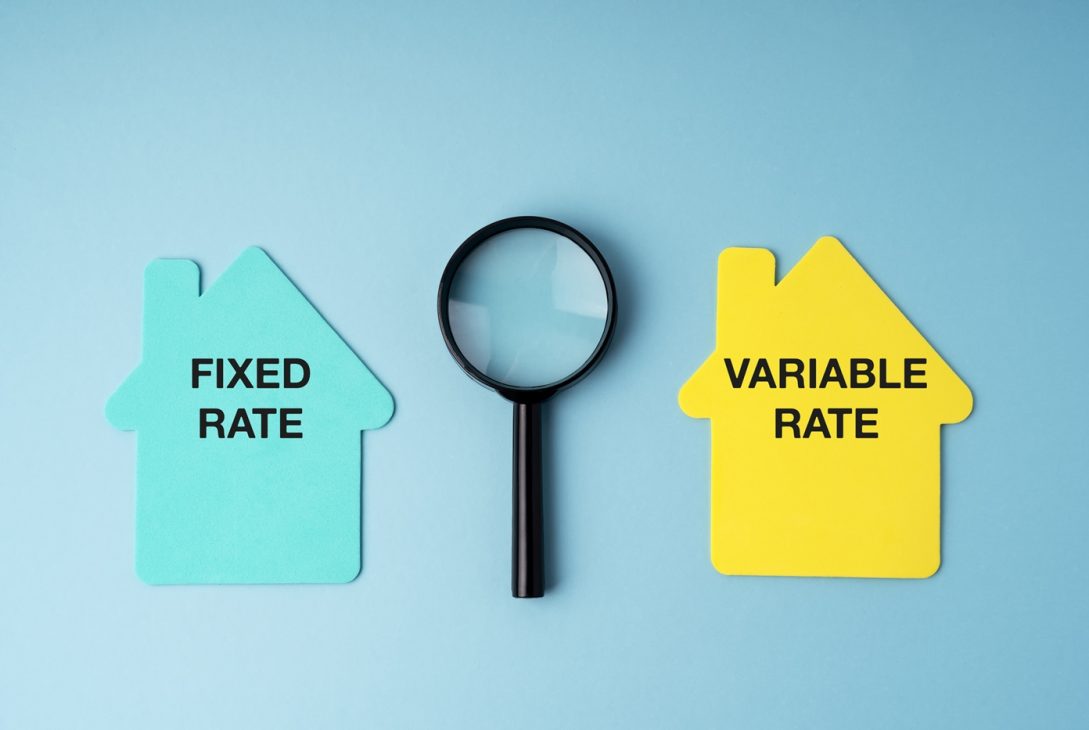
A fixed-rate mortgage locks in your interest rate for the entire mortgage term. Your mortgage payment remains the same throughout that period, regardless of what happens to interest rates in the broader economy.
A variable-rate mortgage is tied to your lender’s prime rate. If the prime rate changes, your mortgage rate changes as well. Depending on your mortgage structure, your monthly payment may increase or decrease, or your payment may stay the same while the amount applied toward principal changes.
This difference is what makes fixed vs variable mortgage such an important decision, it affects not only your payments today but also how your mortgage responds to future economic conditions.
What Influences Mortgage Rates in Canada?
Many borrowers assume every mortgage rate follows the Bank of Canada’s announcements, but the reality is more nuanced.
Variable mortgage rates are directly influenced by your lender’s prime rate, which generally moves after the Bank of Canada changes its overnight lending rate.
Fixed mortgage rates, however, are primarily influenced by Government of Canada bond yields. Even if the Bank of Canada keeps its policy rate unchanged, fixed mortgage rates can still rise or fall based on investor expectations, inflation, and broader economic conditions.
Understanding this distinction helps explain why discussions about variable vs fixed mortgage rates often depend on market conditions rather than a single interest rate announcement.
Fixed Mortgage: Stability and Predictability
For many homeowners, certainty is valuable.
A fixed mortgage provides consistent monthly payments throughout your mortgage term, making budgeting much easier. You always know exactly how much you’ll pay each month, regardless of economic uncertainty or interest rate changes.
A fixed-rate mortgage is often a good fit if you:
- Prefer stable monthly expenses
- Have a tight household budget
- Want protection from future interest rate increases
- Plan to stay in your home for the full mortgage term
This predictability gives many borrowers peace of mind, particularly during periods of economic uncertainty.
However, stability comes with trade-offs. Fixed mortgages often start with slightly higher interest rates than comparable variable products during certain market cycles. In addition, if you decide to break your mortgage before the end of your term, because you’re moving, refinancing, or selling, you may face significantly higher prepayment penalties.
If you’re unsure which option best fits your financial goals, working with an experienced mortgage broker can help you compare lenders, mortgage features, and long-term costs. The experts at Dove Mortgages work with more than 30 lenders to help borrowers find solutions tailored to their unique financial situations.
Variable Mortgage: Flexibility with More Uncertainty
A variable-rate mortgage offers a different balance of risk and opportunity.
Instead of locking your rate, your mortgage follows changes in your lender’s prime rate. If rates decrease, you may pay less interest over time. If rates increase, your borrowing costs may rise as well.
Historically, variable mortgages have often produced lower borrowing costs over the long term, although past performance never guarantees future results.
Many borrowers choose a variable mortgage because it offers:
- Potential savings when interest rates decline
- Lower penalties if the mortgage is broken early
- Greater flexibility during the mortgage term
- The ability with many lenders to convert to a fixed rate later
The biggest challenge is uncertainty. While some homeowners are comfortable adapting to changing market conditions, others prefer knowing exactly what their monthly expenses will be.
When considering variable vs fixed mortgage Canada, your comfort with financial risk is just as important as the current interest rate.
Fixed vs Variable Mortgage Rates: Side-by-Side Comparison
Both mortgage options have advantages, but they perform differently depending on your financial priorities.
| Feature | Fixed Mortgage | Variable Mortgage |
| Interest rate | Locked for the term | Changes with prime rate |
| Monthly payment | Stable and predictable | May change depending on mortgage type |
| Protection from rising rates | Yes | No |
| Benefit if rates fall | No | Yes |
| Prepayment penalties | Often higher | Usually lower |
| Flexibility | Lower | Higher |
If you’re comparing several mortgage scenarios, amortization periods, or payment options, Dove Mortgages’ Side-by-Side Comparison Calculator makes it much easier to see how different choices affect your monthly payments and overall borrowing costs.
How Risk Tolerance Should Influence Your Decision
The answer to fixed mortgage vs variable isn’t determined by interest rates alone.
Instead, ask yourself a few practical questions.
Can your budget comfortably absorb higher monthly payments if rates increase?
Will you likely move, refinance, or pay off your mortgage before your current term ends?
Would fluctuating payments create financial stress?
Do you prefer certainty, even if it means paying a slightly higher interest rate?
For example, a first-time homebuyer with limited monthly cash flow may value predictable payments more than potential long-term savings. On the other hand, a homeowner with significant financial flexibility may be comfortable accepting short-term fluctuations in exchange for greater long-term opportunities.
Your mortgage should support your overall financial plan, not create unnecessary stress.
Which Mortgage Is Better When Renewing?
Mortgage renewal is an excellent opportunity to reassess your financial goals instead of simply accepting your lender’s first offer.
Many homeowners automatically renew into the same mortgage type without comparing alternatives. However, your circumstances may have changed since your original mortgage.
You may now:
- Have a higher income
- Plan to move within a few years
- Want to refinance for renovations or debt consolidation
- Feel more, or less, comfortable with changing interest rates
During renewal, comparing fixed vs variable mortgage rates allows you to choose the option that best reflects your current financial priorities rather than the ones you had years ago.
An experienced mortgage broker can also compare offers from multiple lenders, which may result in better rates or more flexible mortgage features than your existing lender provides.
There’s No Universal Winner, Only the Right Mortgage for You
The conversation around variable vs fixed mortgage rates often focuses on trying to predict where interest rates are heading. While market forecasts can provide useful context, no one can accurately predict future rate movements with certainty.
Instead, focus on the factors you can control:
- Your monthly budget
- Your financial goals
- Your future plans
- Your comfort with uncertainty
- The flexibility you’ll need over the coming years
For some borrowers, locking in stability is worth paying slightly more. For others, accepting some interest-rate risk may provide greater financial flexibility over time.
If you’re still unsure which mortgage option best suits your situation, speaking with an experienced mortgage professional can provide valuable clarity. At Dove Mortgages, our team compares mortgage solutions from over 30 lenders to help you find the option that fits your goals, not just today’s rates. Whether you’re purchasing your first home, renewing, refinancing, or exploring debt consolidation, you can apply online to receive personalized mortgage guidance and confidently move forward with your next home financing decision.